


Preparing for the election home stretch
Preparing for the election home stretch
Updated for the 2026 General Election
Resources to help election officials navigate the last months before the election with tools and templates from sample voter information to social media messaging for emergencies.
This page includes tools and resources to help with the following areas during the final weeks of an election:
- Rapid response for the unexpected
- Communication with voters
- Polling places
- Voting by mail
- Ballots and reporting results
Rapid response for the unexpected
Unexpected situations can come up quickly in the days before, during, and after an election. These tools can help you prepare for emergencies, respond quickly, and share clear, consistent information with voters and poll workers when something happens.
When Something Happens
Ready-to-use messages to help election officials respond quickly and clearly when unexpected situations happen.
Messages for poll workers in emergencies
Customizable messages to help election officials quickly share emergency information and instructions with poll workers.
Crisis communication toolkit
Tools and guidance to help election officials prepare for and communicate clearly during a crisis.

Preparing for federal agents or ICE at a polling place
Guidance and training materials to help election workers respond if federal agents, including ICE, enter a polling place.
Communicating with voters
Tips and toolkits for general voter information, including customizable sample text, easy-to-use design templates, and instructions to get started.
Find more voter education and outreach tools on our website.

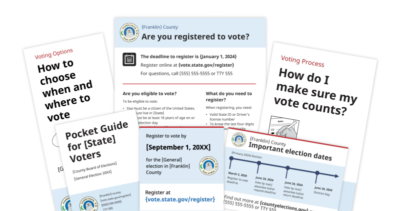
Voter education design toolkit
Best practices and templates for designing effective communication materials using the bite-snack-meal framework.

Set up an email autoresponse
Set up an automated response on your mail public email to manage a busy inbox.
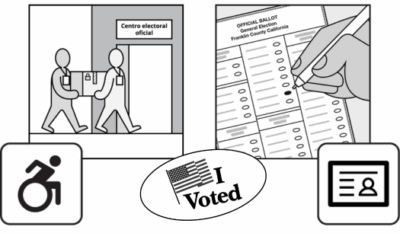
Polling places
Prepare your polling places so voters can find their way, understand what to do, and get the help they need. These resources can help you train poll workers, improve accessibility, create clear signage, and make the voting experience easier to navigate.
Find more resources for polling places and poll workers on our website.
Poll worker training assisting voters with disabilities
A training guide and slide presentation to help election officials prepare poll workers to assist voters with disabilities.
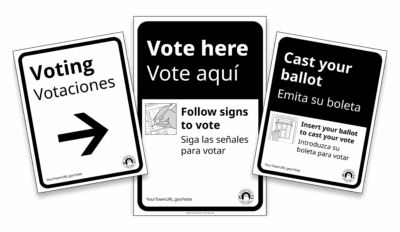
Polling place signage toolkit
Signage guidelines and ready-to-use templates for election offices of all sizes.

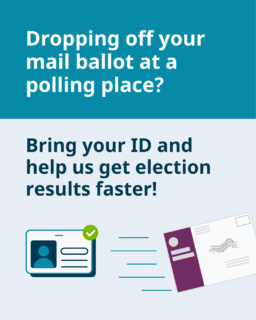
ID and Go templates
Help voters understand their options for returning a mail ballot in person with ready-to-use messages and signs.
Voting by mail
Help voters successfully complete and return their mail ballots as Election Day gets closer. These tools can help you communicate important reminders, make drop boxes easier to use, and give voters clear information when there’s an issue with their ballot.
Find more resources for mail voting on our website.
Add a checklist to your drop boxes
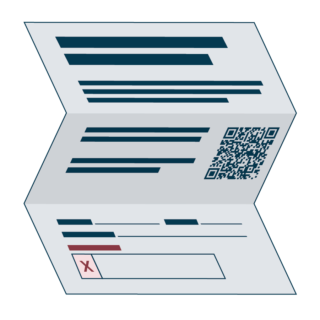
Add a simple checklist to your ballot drop boxes to remind voters of common mistakes before they submit their ballots.
Ballots and reporting results
Get ready for the final stages of the election, from reviewing ballots to communicating how votes are counted and results are reported. These resources can help you catch usability issues, explain election and post-election processes clearly, and set expectations for voters, observers, and the public.
Communicating election and post-election processes toolkit
Use this toolkit to create educational materials about pre- and post-election processes that observers and the public can understand.
Public audit sign templates
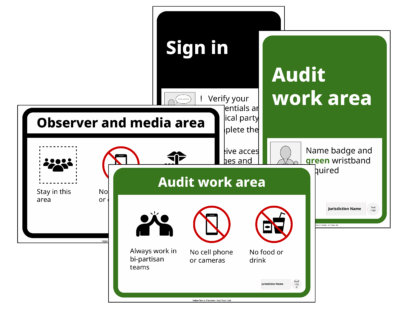
Customizable signs to guide staff, observers, and the public during a hand count audit.

Election results communication tips
Tips for communicating incomplete election results clearly, setting expectations, and helping voters understand the counting process.

© 2025 Center for Civic Design